Hey guys, since we are in the first couple weeks of back to school, I thought I would make a post dedicated to my fellow community college students. After two years of community and starting on my third, I have come up with three tips for you guys that have really helped me. Hope you enjoy!
1. If you weren't able to register for a class, don't let that deter you. If you are waitlisted, or even not, try and sit in on a couple of different sections of the class. One problem with community college is how over crowded they can be so general ed classes are difficult to snag. Still try for them. Don't underestimate the power of sitting in on a class, I have gotten into several classes by sitting in and talking to the teachers. They will typically help you out and let you know of open sections.
2. Invest in the parking pass. Also, make sure to arrive at least 15 minutes before your class, because parking can be hell! Especially on the first week or two of school when everyone is trying to get classes and before some people drop. Another tip would be to locate the best parking areas relative to your classes so you don't have to go way out of your way.
3. Create a road map. One of the biggest problems I have seen causing students to get caught in the "community college trap" is many don't know what they need to do to graduate or get distracted. Make sure you sit down with a counselor and find out what you need to do to transfer. Even if you still are unsure of a major, start working off of the IGETC transfer plan and go from there.
Hope these tips helped you guys, let me know anything that has really helped you through community college, or just college in general. Hugs from my computer to yours,
<3 Kimmie

Showing posts with label college blog. Show all posts
Showing posts with label college blog. Show all posts
Saturday, September 5, 2015

Saturday, September 6, 2014
Money Talks - Budgeting Tips for Students

Growing up, our parents are always talking to us about budgeting, trying to instil the habit in our lives of saving and sticking to a strict breakdown. Most of us don’t really give budgeting much thought during our adolescent years, however, when entering the college/grown-up world, it becomes a necessity. So here are some tips to get you going and figure out how to master at least this aspect of adulthood!
First step, write down all your reoccurring monthly expenses, the huge blocks that you know you have to pay regularly (ex. Tuition payments, car payments, insurance, gym membership, subscriptions, etc.) By mapping out these regular expenses you can see where your money is going, where you have spending room and/or what items you could cut out.
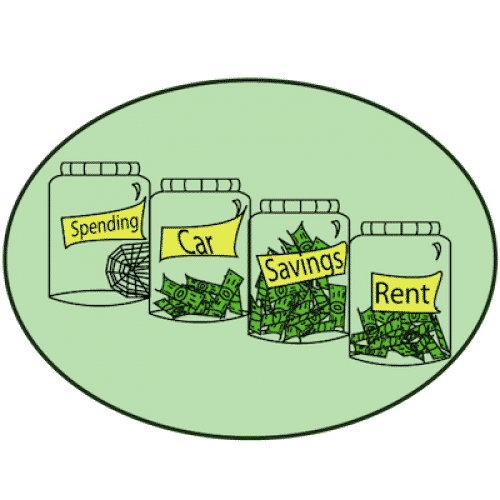
Now that you have your regular spending blocks set aside, think about how much you spend on other stuff such as gas, food, personal items, etc. These are the categories that fluctuate each month and where it is really easy to spend above your means. One thing I like to do is establish categories (gas, food, personal expenses, etc.) and then look at how much I spend on average and try to find a balance.
Take advantage of online tools and apps. The one that I personally swear by is Mint.com (they have the app for both Android and iPhone). They track your spending, allow you to set budgets and track it for you, and so many other features. For a busy college student trying to manage their own expenses, this is a heaven sent. It is definitely worth checking out to help keep track of expenses.
The hardest part about a budget is sticking to it. So until the habit develops you really need to watch your spending. One thing that helps me is I have my boyfriend by my budget inforcer, he will even listen to me talk about how there is something I want to buy and will remind me if I have the budget for it or not (then listen to me complain if I don’t LOL!).
Side tips, one way I made extra money was from being a note taker for the disability center. At Concordia they paid me $20 a unit for the classes I took notes for and all I had to do was take clean and decent notes then go to the office and photo copy them. Done. Also, on campus jobs are great because they will work around your schedule more so than most part time jobs.

For more budgeting tips, Mint.com has a blog, newsletters and advice forums and two webpages I went to were Yahoo Finance and Debt.org.
Hope these tips helped and, as always, good luck! <3 Kimmie
Tuesday, June 24, 2014
Summer for College Students and Incoming Freshman
School years have to a close, the weather has been getting warmer, people are going to the beach and it certainly feels like summer is finally in full swing. I want to say congratulations to all the high school graduates this year. Four years of hard work has finally paid off. By now you have already picked the college you plan to attend, probably ordered some gear and are on your way.
But how do you prepare for that much anticipated fall?
1. Start narrowing down what you would want to take and put together a packing list. Remember that dorm rooms aren’t that big.
2. Remember that being homesick is perfectly normal. Some people get hit more than others but don't feel bad if the waterworks turn on every now and again.
3. Don't expect college to be like the movies. The way college life is portrayed in movies is so ridiculously over-dramatized and glorified and just flat out unrealistic. News flash: despite what Hollywood wants you to think, college is not one big party. I have a whole post planned on this so stay tuned!
4. Start checking things off the list. Bed, Bath and Beyond has a pretty good dorm checklist, as well as an apartment checklist, for what to bring and what not to bring to college. While not everything on that list is necessary it is definitely a good outline and hits all the major points of things you do need. Don't wait to the last minute to buy your items!
5. Enjoy your summer! Even though you should be preparing for fall there, one of the most important things to do this summer is to enjoy yourself, spend time with your friends before you all go different directions and make memories that will last.
I hope you all have a wonderful summer and wish everyone luck in the fall! <3 Kimmie
Thursday, May 15, 2014
A Message to Incoming Freshman
Outside is getting a bit warmer and the seasons are changing, people are starting to go to the beaches, summer is right around the corner and graduation seems like it is seconds away. The decisions on colleges have been made, deposits sent in and now, college isn't just some far away idea, it is real and it is coming up.

I want to say congrats to all of you. You made it, you are going to college!
Enjoy your summer, make the most of it because everything is going to change when you reach college and you are forced to ask, am I ready?
Have faith that you are ready. There are times when it is going to be difficult and you will just want to flat out give up, but the important thing is that you don't. Find a goal, a dream or something and always remember that is what you are striving for. Never give up until you reach your dreams. And if sometimes it just gets to hard remember if no one else, I believe in you and I know you can keep going.
Enjoy your summer and good luck <3 Kimmie
Here are some funny gifs about the application process to make you laugh.
Monday, May 5, 2014
College Survival Guide - Finals!

Lets talk finals. We all know and dread this week, dooms day, hell week, the last step towards the end of the semester. Summer is right around the corner, along with graduation for some, and we are all ready for the school year to be over, but there is one thing still in our way and that is finals.The question of the day is: how do we get through this week as unscathed as possible?

- Find a good study place. Find somewhere to study that you can focus whether it is the library, under a tree or wherever, just make sure it is somewhere where you can concentrate and won’t get distracted.
- Study for a little bit each day. You don’t want to overload youself when it comes to studying because it will just lead to you forgetting more than you would learn. What you would aim to do is just study for increments. For example, study for an hour, take a 20 minute break, study for another hour, and so on and so forth.
- Get sleep!!! Can’t stress how important this is, I even did a whole post about it. Sleeping helps to solidify what you learn in your mind and you wont be exhausted when you go to take your tests. You will be well rested and prepared.
- Don’t start the day before. Seriously, don’t cram. I cannot this of a worst thing that someone can do to sabotage themselves. As I mentioned before you should study in intervals and also I would recommend starting a week or two before your finals, studying for about 10-20 minutes each time so by the time you take the test you will be able to take that test in your sleep.

Hope this helps you guys be prepared for your finals and I wish you all good luck! (And good luck to me as well.) Finally, I hope the pictures made you laugh or at least smile. <3 Kimmie
Thursday, May 1, 2014
College Survival Guide: Toto We're Not in High School Anymore
So by now one thing for all college students is sure, “Toto we are definitely not in high school anymore.”

For some this transition can be very difficult, while for others it is a breeze. But as this first year of college for many of us is coming to a close, I wanted to talk about how college life can change us and the differences between high school and college.
College is a huge change from high school. You are completely responsible for yourself. No one in college is going to hold your hand as you go along. You are responsible for choosing your own classes, turning in everything and so on. Professors in college will also not be as lenient as those in high school.
For me the transition wasn't to difficult, however when I was away last semester I was pretty home sick when I first left. It took me a little bit to get into the swing of being in college on a personal level, but when it came down to academics I was on par. I think it is because I have always been pretty "good" at school.
The hardest part for me was getting everything organized realizing that I was an adult now. How did all of you out there react to the transition? Let me know in the comments down below.
For all of those like me finishing up your first year of college I just wanted to say congrats! We made it! I know college can be difficult, you are moving on from everything that is familiar and comfortable into the adult world. Life changes from being a kid, to being a grown-up. We are responsible for ourselves now. It is our job to stay on top of everything, map out our lives and create our own future. We have just completed the first leg of our journey with much more to go. I wish you all luck on the remainder of your journey and I hope that it goes where you want it.
I hope that everything is what you hoped it would be. <3 Kimmie
Tuesday, April 29, 2014
Proof that Teachers Do Care
While browsing the Freshly Pressed section through Daily Post I came across this post called "What Students Really Need to Hear." It really stood out to me because I am a student and to me it screamed out "read me!"
The post is written by a teacher who typed out this message he wanted to say to his students to explain to them why they shouldn't quit or take the easy way out. He writes about how despite what we are made to believe, academics are not the main point of school. It is to prepair us for life. To make us strong enough to face the challenges that are set before us. Build our resolve to see each task we face to the end. To open our minds to the expanding world around us.
For all those students out there (and teachers) it is definetly worth reading. It is a wonderful refresher to see how much teachers actually care about there students. This is the comment I left on his post:
"I absolutely love this post. As a student it is very refreshing to see a teacher who generally cares about their students and are willing to fight for them. Thank you for that. Thank you for proving to me and all other students that there are people willing to push us to be our best, even when we don’t want to. Thank you for reminding me why I work so hard in school, because it isn’t just about the acedemics, it is about prepairing for the bigger picture in life and working your ass off to be the very best you can be in every aspect of your life.
You have my respect sir.
Sincearly, Kimberly (the college blogger)"
Hope you enjoy and take a second to read his post. Have an awesome day!
Monday, April 21, 2014
College Survival Guide: How to Create a Transfer/Graduation Plan

One day I got bored in between classes and was trying to think about what classes to take this upcoming fall semester, staring at the list of required classes I would need to transfer. So I just opened up Microsoft Excel on my computer and started putting all the requirements into one place. You could say I went OCD because I now have all my remaining semesters mapped out and a separate tab for my overall classes I need to take, the IGETC requirements and transfer requirements for my majors.
Ok so you are probably thinking, wow that is really in-depth and complicated. But in reality it really isn't and I'm going to show you how!
1. Find out the requirements for your major and general ed needed to graduate/transfer.
2. Write them all down and figure out how many units each class is, this way you can find a balance of units to take per semester. If you are working like me, or don't handle stress well, aim for 12/13 (enough to be full time) to 15 units. If not you can to anywhere up to 18 units, but let that be your maximum.
3. Think about the classes you have to take and figure out the prerequisites. If you have any try to get those out of the was ASAP.
4. Go from there mapping out your semesters or quarters going from your lower classes and prerequisites to the harder, higher up classes as time goes on.
*One key thing to remember, make sure you balance your time. Don't over run yourself and allow yourself to take a couple elective classes.
I will be putting the template I created on Google Drive as a public document if you want to use it or just take a look for reference. If you would like an excel version instead you can always comment and I will email it to you. (For some reason it wouldn't let me upload it as a template but the document is linked and you can copy and paste probably.)
Got any questions? Let me know down below.
Good Luck
Thursday, April 17, 2014
College Survival Guide: Go to Class!!!
So as we all know college is EXPENSIVE!!! So one thing you want to avoid at all costs is missing class. Why, you ask. Well that's because you are paying to be in there and any class you miss is loosing you money! Most people don't think about it this way but it really is important to remember.
Also, if you miss out on class most professors will just tell you to get the notes from someone else and you could miss out on important stuff. Missing class is not worth it if you "just don't want to" or you are gaming or whatever. For me, the only good excuse to miss class is if I am really sick and just don't feel good at all. But there have even been a couple times I would get up and go to class when I was sick, even though I seriously didn't want to and I felt like:

Another incentive to go to class is that if you miss a certain number of classes, usually specified on the first day or the syllabus, the teacher can drop you.
I am going to show you how to calculate how much you would loose if you miss a class. If you go to a private university use the amount of your tuition. For example, at Concordia the tuition was (rounding up $5) $15,000 a semester. I know its a lot! So what you do is divide the cost of your tuition by the number of units you are taking. For me, last semester, it was 17. So you just figured out how much you pay for each unit you take. Ex. for me it was approx. $882/unit. Multiply that number by how many units one class is, most are 3. From there just divide that total number by how many class days you have for that class a voila. For community college, most JC's tell you off the bat how much each unit is because that is how you pay. So you would just do the last two steps. You will be surprised and I know I'm making you do math but if you do this it will make you never want to miss a class.
I know this is a really short post but I just wanted to share this advice with you and, again, I am sorry for the math! haha
Also, if you miss out on class most professors will just tell you to get the notes from someone else and you could miss out on important stuff. Missing class is not worth it if you "just don't want to" or you are gaming or whatever. For me, the only good excuse to miss class is if I am really sick and just don't feel good at all. But there have even been a couple times I would get up and go to class when I was sick, even though I seriously didn't want to and I felt like:

Another incentive to go to class is that if you miss a certain number of classes, usually specified on the first day or the syllabus, the teacher can drop you.
I am going to show you how to calculate how much you would loose if you miss a class. If you go to a private university use the amount of your tuition. For example, at Concordia the tuition was (rounding up $5) $15,000 a semester. I know its a lot! So what you do is divide the cost of your tuition by the number of units you are taking. For me, last semester, it was 17. So you just figured out how much you pay for each unit you take. Ex. for me it was approx. $882/unit. Multiply that number by how many units one class is, most are 3. From there just divide that total number by how many class days you have for that class a voila. For community college, most JC's tell you off the bat how much each unit is because that is how you pay. So you would just do the last two steps. You will be surprised and I know I'm making you do math but if you do this it will make you never want to miss a class.
I know this is a really short post but I just wanted to share this advice with you and, again, I am sorry for the math! haha
Thursday, April 10, 2014
College Survival Guide: The Freshman 15 is REAL!
 |
| Source |
So the first way is the most obviouse: AVOID THE TEMPTATION! Avoid over eating in the cafeteria. It is the simplest way but you are also really tempted because you have all you can eat three meals a day. So the biggest key here is to make sure your meals are balanced and your diet is balanced this way you can stay healthy and not over eat or gain that extra pudge. One tip for eating a balenced meal is to go onto .
The other way to avoid the freshman 15 is exercise! You are probably thinking "ugh of course Kim we know" and my response is: well then do it! Take advantage of that on-campus gym. Most universities and even community colleges have a gym that is free for student use so go ahead and take advantage. Or if you are not really much of a gym person you can find exercise videos online (believe me there are tons of them on YouTube.) But the one girl I swear by, I talk about her a lot, is Blogilates. Cassey is funny and sweet and you just feel like you are working out with a friend.
So that was my "just a reminder of the obvious" post lol. Good luck avoiding the dreaded Freshman 15!
Monday, April 7, 2014
College Survival Guide: Stress

Whether it is from an upcoming deadline for school or work, or it could be about the car payment coming up that you are afraid you will be short on. Whatever it is, stress seems to be an inescapable part of our lives. However, there are ways to combat it and I'm going to show you how!

1. Figure out the stressors in your life. Once you have identified what stresses you out you can use this knowledge to prepare yourself for future stress. Identifying the core issue of your stress is the first step to making a plan to solve it.
2. How do you currently deal with stress? Figure out the ways you currently handle your stress. Unhealthy ways of dealing with stress include: smoking, drinking to much, overeating or undereating, oversleeping, procrastinating, etc. If you use one of these ways to cope, STOP. These are unhealthy and not at all productive. I understand that it will take a while to completely get rid of these habits but it is important to start now.
3. Find a healthier way to manage stress. Your methods of dealing with stress should benefit your health, both emotional and physical. It could be exercising, meditating, reading, etc. Anyting that brings you peace without hurting your body. When deciding which option to choose, it’s helpful to think of the four As: avoid, alter, adapt, or accept.(Listed below)
4. What are you afraid of? Fear of failure, rejection, pain or the unknown? Remember: death or serious physical harm are about the only outcomes that you clearly cannot recover from. Otherwise, all obstacles, with proper planning, can be overcome (and they won’t kill you).
5. Find a support system. Even if it is just one person who you know gives good advice and can calm you down, take advantage. Support systems are there for you, you just have to access them.
6. Avoid unnecessary stress. I personally have trouble with this a lot. I often forget that it is ok to say “no”. You have to know your own limitations and remember not to push them too far, like avoiding situations or topics that get you worked up. Other ways to do this: avoid people who stress you out, because you just don’t need that negativity and blagh in your life and always have a to-do list because this will help keep your crazy life manageable.
7. Alter the situation. Don’t bottle up your feelings, make them known and express them in a productive way, but remember to be willing to compromise. If you need to then be more assertive, don’t put yourself in the back seat of your own life. And, as I’ve talked about before, manage your time.
8. Adapt to the stressor. Make a plan. Detail the steps and map them out on a calendar. Figure out how you are going to deal with this challenge and stick to it, find someone to hold you accountable to keep you on track. With proper planning you can conquer anything.
9. Accept the things you can’t change. Don’t try and move a mountain because sometimes you just can’t and that is ok. One of the hardest things to remember in life is that we can’t do everything so don’t stress yourself out about something you can’t do, just remember to accept it. Always remember to remain positive and optimistic, look for the bright side in what you can’t change. Finally, learn to forgive and move on from the things you can’t change. Let it go.
10. Make time for fun and relaxation. Always, always, ALWAYS make time for yourself. Because if you are all work and no play you will burn yourself out and this can lead to you getting sick or more stress. So just don’t forget to include yourself and reeeellllaaaxxx.
Thursday, April 3, 2014
College Survival Guide: GET SOME SLEEP!
Hey all you out there! Sorry I haven't done a survival guide post in a while, been busy surviving hahaha.
So I just wanted to do a short post on something that is important to all of us...sleep.

We all have heard horror stories about college all-nighters, how coffee will become your best friend and how sleep will become a thing of the past. I'm here to tell you that this is not necessarily true.
It is beyond crucial that you get some sleep during college and here are a couple reasons why:
1. Sleep helps revitalize your brain and keep you healthy
2. It helps thing stick in your brain better, so if you study a bit before you get some sleep it will stay better than if you wake up really early and do it.
3. You don't want to be irritable and grouchy (keep others in mind lol)
4. I said this already but the most important part: YOUR HEALTH!
For more info on why you should get sleep from really smart research peoples check out this University Sleep Study.
The key to getting sleep is planning your time effectively and studying for little bits over time rather than cramming. This goes back to time management (which you can check out that post here) and effective study habits (I will put the link here once I get that post up). But a quick Google search can help you find study habits tips and tricks. (One thing you should look into is the forgetting curve, will talk about that later.)
So anyway, just remember over all: find time for sleep. It is not something you should be sacrificing and, at the same time, not something you should be abusing either. Find a balance that works for you as with all things. But for a minimum, as a college student you should be getting at least 6-10 hours of sleep a night.
So here are some tips for sleep (that you can find in the study above):
1. Nap effectively (don't over sleep with naps, do it early in the day and for at most 30 minutes)
2. Establish a sleep ritual and regular sleep and wake up times to get your body on a schedule.
3. Make sure you are comfortable! Don't compromise when if comes to this, this is one of the biggest factors to affect sleep.
4. Don't eat right before bed and avoid alcohol, caffeine and nicotine before bed.
5. Remember that your bed is for sleep and sex! Find a different study place!
6. Get ear plugs for that one inevitable asshole who doesn't realize what time it is and needs to shut up.

Hope these tips help and, as always, good luck!
<3 Kimmie
So I just wanted to do a short post on something that is important to all of us...sleep.

It is beyond crucial that you get some sleep during college and here are a couple reasons why:
1. Sleep helps revitalize your brain and keep you healthy
2. It helps thing stick in your brain better, so if you study a bit before you get some sleep it will stay better than if you wake up really early and do it.
3. You don't want to be irritable and grouchy (keep others in mind lol)
4. I said this already but the most important part: YOUR HEALTH!
For more info on why you should get sleep from really smart research peoples check out this University Sleep Study.
The key to getting sleep is planning your time effectively and studying for little bits over time rather than cramming. This goes back to time management (which you can check out that post here) and effective study habits (I will put the link here once I get that post up). But a quick Google search can help you find study habits tips and tricks. (One thing you should look into is the forgetting curve, will talk about that later.)
So anyway, just remember over all: find time for sleep. It is not something you should be sacrificing and, at the same time, not something you should be abusing either. Find a balance that works for you as with all things. But for a minimum, as a college student you should be getting at least 6-10 hours of sleep a night.
So here are some tips for sleep (that you can find in the study above):
1. Nap effectively (don't over sleep with naps, do it early in the day and for at most 30 minutes)
2. Establish a sleep ritual and regular sleep and wake up times to get your body on a schedule.
3. Make sure you are comfortable! Don't compromise when if comes to this, this is one of the biggest factors to affect sleep.
4. Don't eat right before bed and avoid alcohol, caffeine and nicotine before bed.
5. Remember that your bed is for sleep and sex! Find a different study place!
6. Get ear plugs for that one inevitable asshole who doesn't realize what time it is and needs to shut up.

Hope these tips help and, as always, good luck!
<3 Kimmie
Wednesday, April 2, 2014
Dear College Applicants...
Dear College Applicants,
To my eager college hopefuls, I wanted to give you a few tips for this time of year. By now all your college applications should be turned in, you have sat through the waiting process and by now you have probably already received some acceptances (which I congratulate you on!) and, unfortunately, some rejections.
So what should you be doing right now?
For one, if you have not already completed your FAFSA then get on that RIGHT NOW! This is not something you should wait on! This is free money we are talking about being given to you to pay for your education. College is expensive but you should never have to pay the sticker price. OR, if you are like me and going to a community, you can even wind up getting paid to go to school if you are awesome enough!
Step two: now that you have started getting your decision letters in you should start narrowing down your list of possibles. Go through every factor: campus, class sizes, location, price, EVERYTHING! In the end you can only choose one and you have to start thinning the herd so that you can make that inevitable final decision. Trust me, it is a difficult one because it is a huge decision but, at the risk of sounding cliche, go with your heart and what feels right to you. It is your life and you shouldn't let someone else decide for you...but that is a lecture for another time haha.
Looking back on this time last year all I can say is that I do not envy you. It is a scary time, looking forward to the dread of realizing that you are an adult now and have to act like it. Scholarships, financial aid, and stepping out on your own are all scary steps that we each must eventually take. I know feel like a bit of a contradiction. As the end of my freshman year is rapidly I feel like nothing much has really changed: I'm back at home, I still feel that I am inadequate at being an adult and scared of all the dread that come with it. But at the same time, everything has changed, I have a job and support myself, I have a car payment, go to school and have adult responsibilities.
Life is changing for you guys and all I can say is whether you are prepared or not it will happen. So whether you choose to go near or far it will be hard but it will work out in the end.
Good luck,
Kim
Monday, March 3, 2014
College Survival Guide, Surviving the Dorms! Pt. 2 - Laundry
I just wanted to do a quick post about doing laundry in the dorms. I know you are probably thinking that this is really simple and, why would you do a post on that Kim?
But! There are probably a couple things you haven't thought about with this simple task.
1. Pick a set time each week. You want to have a regular time or "laundry day." This will help keep your schedule balanced and running out of clean clothes. Also, try to find a time that is somewhat unique to you. Try to avoid times where everyone is doing laundry.

2. Use as study time or relax time. If you are sitting in the laundry room you can spend the time reading or doing homework in the time you have waiting for the washer and dryer. It is a good time to be alone with your thoughts or have quiet time believe it or not.
3. Collect spare quarters. These can be used as your laundry fund, because most colleges have paid laundry rooms. I know it sucks, laundry isn't free anymore.
4. Separate your clothes. There are so many ways to separate your laundry and it all depends on each person's individual preference, but here are the basics in four loads: whites/lights, darks, delicates and towels/jeans/bedding.

5. Choose the right settings. Check the tags on your clothes and find out whether they need cold water, hot, low temp drying, etc. Here's a few tips for water temp: hot for whites, linens and towels, cold for anything you don’t want to shrink or fade (including any whites that fall into this category), warm for everything else.

6. Fold Immediately!!! When taking your clothes out of the dryer don't just toss them into your hamper and deal with them later. Fold your clothes as you are taking them out and put them away as soon as you get back to your room. This helps avoid wrinkling and looking like you just rolled out of bed 24/7.
7. However, if you do have wrinkles, invest in a small iron and ironing board.
8. Don't forget your supplies! You will need: detergent, dryer sheets and optional are fabric softener, bleach or color bleach like Clorox 2, and Woolite.
Hope these few simple tips helped!
9. Laundry baskets. Sturdy plastic laundry baskets are fine but, if you are tight on space, try to go with a collapsible basket.
10. Keep everything together. Keep all your supplies together so when you go to do laundry you are not digging around searching for what you did with everything.
P.s. When you go to do laundry, check the soap dispensers because sometimes people will leave soap in them which is a score, or bleach, then you know which washing machine to use for your white clothes!
Big hugs <3 Kimmie
Monday, February 24, 2014
College Survival Guide, Surviving the Dorms! Pt. 1 - Roommates.
So for all of you living on campus for college there is one thing that is inevitable: you will be sharing approximately 246sq feet with someone you have probably never met before.


 10. Don't talk shit. Yes, roommates can be frustrating but don't complain about them to a mutual friend because that just creates more conflict. If you need to vent, talk with someone who is an outside party like your friend from home or your significant other or parents.
I love these memes to describe roommates: Click here!

So this presents several problems: what if you don't mesh 100%? What if you have arguments? What if they are messy and you are clean? The list goes on and on. But here are a couple very key tips that will help make you living situation better:
1. Be clear and upfront. Make sure you share your pet peeves and habits with your roommate. Do you hate it when people leave dishes in the sink or clothes on the floor? Do you hate a certain type of music? Let them know. The only way you can come to a middle ground is if you are both aware of what makes the other person tick and work to avoid it.

2. Create a set of agreed upon rules. This kind of ties in with the first tip. Once you have discussed all your quirks, sit down and make a clearly defined set of rules. They can be as simple as "respect each others space and property" or as detailed as you want it. The point is these are the rules of your living space to help everything work together well.
3. Be mindful of who and how often. Having guests is ok, but keep in mind appropriate times to have someone come over. If your roommate is trying to study and you have a friend over and are playing video games, probably not the best idea. Don't forget to make your guests aware of your dorm rules. They are your guest and therefor your responsibility. Also, don't have friends over every second you are in your dorm because it can irritate your roommate and cause tension between you.
4. Invest in a pair of headphones and earplugs. If you like blasting music at max volume, go ahead. But do it so only you can hear the music, remember that you don't want to piss off the person you are living with for 8 months out of your life. Music is always my preferred escape, so if this helps you then have at it. Secondly, living in a dorm full of noisy freshman can be annoying, especially when you are trying to sleep. My dorm was right next to the courtyard and it ECHOED! So students who didn't know the meaning of quiet hours were seriously irritating especially when I could hear whole conversations from my bed. So grab a pair of earplugs just in case.
5. Address issues while they are small. Don't wait until the critical breaking point to deal with an issue. Address an issue when it first starts popping up in order to save your relationship with your roommate.


6. Save the sexy time for when you're alone! If you and your boyfriend/girlfriend are intimate make sure to save it for when your roommate is out of the dorm and will probably not be back soon. You don't want to have that awkward roommate-walking in on you moment. Also, DON'T DO THE NASTY ON THEIR BED OR STUFF! This goes back to being respectful of your roommate. No one cares if you have sex just be smart about it.
7. Roommate, not a lifeline. Your roommate can be your friend, but for those shy freshman, don't make your roommate your only friend or lifeline. It can lead to them getting seriously annoyed with you and more issues. So try to branch out, have them introduce you to their friends and go from there. Just remember that you have to force yourself to make friends. Don't bog down your roommate.
8. Be nice, but don't expect to be best buddies. When you first meet your roommate and start to get to know them, remember to always be friendly and kind to them but don't expect to become the very best friends ever. Personalities may not always work together completely. But even if you don't become best friends always remember to be friendly and supportive, because you are living with that person for 8 months!
9. RESPECT! This is just so simple I shouldn't even have to explain it. Your parents should have taught you to respect other and you MUST carry that on especially when you live with people. Just respect them and their property. 'Nuff said!

I love these memes to describe roommates: Click here!
If all else fails, just remember the old saying, treat others the way you would like to be treated. Try to get along and put in effort to make the relationship work.
Big hugs <3 Kimmie
Monday, February 10, 2014
College Survival Guide - Smart Scheduling

Lets talk about scheduling! We all know the basics of don't overlap things, give yourself time, space, and blah, blah blah. But what does that all mean and how do you affectivly schedule your time? Well, take out those planners because Kimmie is here to help!
Let me start by saying that smart scheduling is more than just writing down things on a calendar, it is actively mapping out your days so you know that you have time for everything. I talked about the basics of this and the importance of writing everything down in my Organized and Prioratized post but this post will be going farther in depth about the importance and key points of smart scheduling.
1. Start with the major blocks. Start with things that repeat or you know you are committed to such as classes, work, youth group, church, etc. These things are key parts of how you spend your time so it is crucial that you block this out first!
2. Write everything down! If you have an assignment assigned to you or a deadline for work you want to write it down so you don't forget and you can prepare for it. I honestly can't put enough emphasis on doing this so you can be up to date and keep your life organized. This has become such a habit for me, and I lost my schedule when I moved home, every time I went to write something down in my planner and couldn't I honestly was like "I feel naked" because I couldn't. Felt like this:

3. Plan your day. Each morning or the night before set aside a couple minutes to plan out your day and goals for the day. It will help you keep your day on track and know what you have to do and need to do.
4. Set aside personal time. The cliche "all work and no play makes me a dull boy" works very well if you forget this step. You have to set aside time for yourself to relax, decompress, or dance around the house in your underwear.
 What ever it is you have to create that balance like a scale. Just remember that you sometimes have to put yourself first and this is one of those excuses to let yourself just unwind.
5. Review your to do list. If you are like me (insane and wacky! haha) then you might have an ongoing to do list, if not you should. Look at the things you have on this list and then set aside time to get some of the things you have on there complete. (Don't forget to prioritize by what is more important or has a sooner deadline.)
6. KEY POINT: Make sure not to over book yourself! This includes not giving yourself sufficient time in between commitments or allowing things to overlap or just over committing. Even if you schedule perfectly and are still running ragged then you should rethink that "perfect" status. Don't burn the candle at both ends!
Good luck and big hugs <3 Kimmie
P.s. and to send you away with a smile I had to include a gif from Risky Business because when it comes to dancing in your underwear Tom Cruise is an expert!

2. Write everything down! If you have an assignment assigned to you or a deadline for work you want to write it down so you don't forget and you can prepare for it. I honestly can't put enough emphasis on doing this so you can be up to date and keep your life organized. This has become such a habit for me, and I lost my schedule when I moved home, every time I went to write something down in my planner and couldn't I honestly was like "I feel naked" because I couldn't. Felt like this:

3. Plan your day. Each morning or the night before set aside a couple minutes to plan out your day and goals for the day. It will help you keep your day on track and know what you have to do and need to do.
4. Set aside personal time. The cliche "all work and no play makes me a dull boy" works very well if you forget this step. You have to set aside time for yourself to relax, decompress, or dance around the house in your underwear.

5. Review your to do list. If you are like me (insane and wacky! haha) then you might have an ongoing to do list, if not you should. Look at the things you have on this list and then set aside time to get some of the things you have on there complete. (Don't forget to prioritize by what is more important or has a sooner deadline.)
6. KEY POINT: Make sure not to over book yourself! This includes not giving yourself sufficient time in between commitments or allowing things to overlap or just over committing. Even if you schedule perfectly and are still running ragged then you should rethink that "perfect" status. Don't burn the candle at both ends!
Good luck and big hugs <3 Kimmie
P.s. and to send you away with a smile I had to include a gif from Risky Business because when it comes to dancing in your underwear Tom Cruise is an expert!

Wednesday, January 29, 2014
College Survival Guide - Textbooks
Lets talk textbooks! Next to the mob college book stores make so much dang money from students it should be considered robbery! So here are a few quick tips to save money on your textbooks from now on:

1. Rent your books. I know this seems rather simple, however renting saves you a lot of money and you don't have to worry about having a textbook you aren't going to use anymore lying around your house. Plus, now you don't just have to rent from your college book store but you can rent from online sites like Chegg, Barnes and Noble and really all over the place. It just takes a simple Google search.
2. Buy your books from discount websites. I personally am a huge advocate for Half.com through eBay because I have gotten almost all of my textbooks for under $20 each. (Which is a landslide in comparison to the $100-200 average at college bookstores.) However, this isn't the only option. I know a lot of people who swear by Amazon.com, Chegg or Cheapbooks. It all depends on where you can find the best deal for your specific needs.
3. eBooks. If you have a Kindle, Nook, or any other ebook reader (or even your laptop) you can download this type of book for generally cheaper and you don't have to worry about lugging around a bunch of heavy textbooks each day to class. Also, you can often find cheaper PDF versions online. The down side is that you can't resell these back to the bookstore.
4. Buy from a friend. Chances are you will find people who have taken the same classes that you will be taking so they probably had to buy the same books you did. So if you can borrow it from them or just buy it for really cheap then go for it!
5. Library. Or you can do this the cheap man's way and just go to your campus library and read the books at the library or photocopy your chapters (just make sure they have the books you need!) If the library doesn't have the books you need then you can go the really broke people way and sit in the book store and read the chapters! haha
These are just some suggestions to make you aware of all the ways you can save money instead of being put into debt simply from buying your text books. I hope this helped in some way :)
Huge hugs from my computer to yours, and good luck!
Monday, January 20, 2014
College Survival Guide - Organized and Prioratized
Unlike high school, in college you are responsible for everything! There are no teachers to baby you and your parents aren't going to be there to look over your shoulder asking if you got your homework done. So, how do you accomplish everything, you ask?
The answer is, ORGANIZATION!!! Organizing not only helps to keep your things together and where they should be, but also helps keep your life in order and can help you not be quite so overwhelmed. So where do you start? Like a lot of things you can dive into a Google search and spend some time clicking through the thousands of search results. However, since I have done that whole song and dance and plenty of research I will just give you the summary, k?
When it comes to getting organized there are so many ways you can do it that it gets so confusing you want to just turn off your brain. So to make it easy I've broken it down into a couple key points:
1. Write everything down! Calendars are your friend (haha)When you are in college and working or anything really it is important to schedule things out. It really helps put your days into perspective and helps you to manage your time much better. The best way to schedule is by starting with your concrete blocks, the things that you do regularly (ex. classes, church, your work schedule, etc.) This way you have the major blocks carved out and you know where you have open time. Now when you are going in to schedule fun time or anything else you can have everything laid out in time blocks. Here is a picture of my scheduling, it is a screenshot of my iCal during finals week:
 I'm not telling you to go this extreme but I'm just trying to show you how scheduling can help. This may look like a disorganized crazy blob but it really helped me with studying by knowing exactly what I needed to be doing and when.
2. Color code and label. When it comes to putting school stuff in my schedule I usually do a basic color code with yellow, green and pink highlighters (kind of like a stop light system). Green is for simple homework due dates, a "work on paper" session, basically simple stuff that your whole schedule doesn't have to stop for. Yellow is for papers and quizzes because you have to slow down for them but you don't completely stop. Finally, red is for exams! This is just a basic system and you can find what works best for you but the important thing is to use it! It helps so much so find what works best.
3. Prioritize: The Three File system. This system was introduced to me last semester by a councilor at Concordia and now, I swear by it! It is a lot simpler than other systems with a whole bunch of steps and processes and labeling. In this system there are only two labels: FIRE and To Do, and you only need three things: a large In-Box, and a tray for fire and to do.
4. Backwards Planning. Backwards planning sounds like a strange being however, it is really simple and useful. Take your syllabus (I can't stress how important it is to read your syllabus thoroughly! It has pretty much everything you need to know) and write down all your due dates in your calendar/schedule. I know you are probably thinking "that is the most basic thing ever and just regular scheduling" but, here is where the backwards part comes in: Say you have a project due on a friday, backwards planning is setting a your own personal due date for that project on say that Tuesday. Make sense? By doing this you are forcing yourself to get your work done in a timely way so that you don't fall behind.
5. A place for everything, and everything in its place. Nothing ruins your organization more than loose papers and crud all over your work space, your room and in your backpack. The goal of this process is to find where everything belongs and create a place where you know where everything is and it is neat and clean. For example, you could have a binder for each class with a new tab for homework, notes, handouts, etc. OR you could have one big binder with the same tabs and just something to separate each class OR you could have just a spiral notebook for each. The possibilities are endless but the goal is to find a system that works for you.
For more helpfulness click here: Click Me!
The answer is, ORGANIZATION!!! Organizing not only helps to keep your things together and where they should be, but also helps keep your life in order and can help you not be quite so overwhelmed. So where do you start? Like a lot of things you can dive into a Google search and spend some time clicking through the thousands of search results. However, since I have done that whole song and dance and plenty of research I will just give you the summary, k?
When it comes to getting organized there are so many ways you can do it that it gets so confusing you want to just turn off your brain. So to make it easy I've broken it down into a couple key points:
1. Write everything down! Calendars are your friend (haha)When you are in college and working or anything really it is important to schedule things out. It really helps put your days into perspective and helps you to manage your time much better. The best way to schedule is by starting with your concrete blocks, the things that you do regularly (ex. classes, church, your work schedule, etc.) This way you have the major blocks carved out and you know where you have open time. Now when you are going in to schedule fun time or anything else you can have everything laid out in time blocks. Here is a picture of my scheduling, it is a screenshot of my iCal during finals week:
2. Color code and label. When it comes to putting school stuff in my schedule I usually do a basic color code with yellow, green and pink highlighters (kind of like a stop light system). Green is for simple homework due dates, a "work on paper" session, basically simple stuff that your whole schedule doesn't have to stop for. Yellow is for papers and quizzes because you have to slow down for them but you don't completely stop. Finally, red is for exams! This is just a basic system and you can find what works best for you but the important thing is to use it! It helps so much so find what works best.
3. Prioritize: The Three File system. This system was introduced to me last semester by a councilor at Concordia and now, I swear by it! It is a lot simpler than other systems with a whole bunch of steps and processes and labeling. In this system there are only two labels: FIRE and To Do, and you only need three things: a large In-Box, and a tray for fire and to do.
4. Backwards Planning. Backwards planning sounds like a strange being however, it is really simple and useful. Take your syllabus (I can't stress how important it is to read your syllabus thoroughly! It has pretty much everything you need to know) and write down all your due dates in your calendar/schedule. I know you are probably thinking "that is the most basic thing ever and just regular scheduling" but, here is where the backwards part comes in: Say you have a project due on a friday, backwards planning is setting a your own personal due date for that project on say that Tuesday. Make sense? By doing this you are forcing yourself to get your work done in a timely way so that you don't fall behind.
5. A place for everything, and everything in its place. Nothing ruins your organization more than loose papers and crud all over your work space, your room and in your backpack. The goal of this process is to find where everything belongs and create a place where you know where everything is and it is neat and clean. For example, you could have a binder for each class with a new tab for homework, notes, handouts, etc. OR you could have one big binder with the same tabs and just something to separate each class OR you could have just a spiral notebook for each. The possibilities are endless but the goal is to find a system that works for you.
For more helpfulness click here: Click Me!
Monday, January 13, 2014
College Survival Guide - The Main 10!

1. Go to class. I know this seems like a silly tip but in college you are paying for school and your classes, so if ever you decide to skip class you are basically throwing away your own money. So unless you are deathly sick in the hospital
2. Develop good study habits. This is one of the most important things to develop because you are going to be studying all the time whether it is for quizzes or your final exam. Quiz, test and exam grades usually weigh very heavily on your overall class grade so do yourself a favor and take some time and Google "good college study habits" because it will make a world of difference.

4. Take advantages of the resources on campus. Make sure you take some time to figure out what resources are provided on your campus like writing centers, librarian help, or study groups and research help. Believe me, getting help makes life a lot easier than trying to do it all on your own.
6. Balance your time. Remember the saying "all work and no play makes me a dull boy"? Well its true. You need to make sure to balance out your work with your relaxation otherwise you will completely fry your brain and burn yourself out. Give your brain and yourself time to unwind and step away from your work. whether it is spending one day a week watching a movie with friends or just simply taking 5-10 minute study breaks to refocus, it is crucial to have a balance here.
7. Get some sleep. Going off of what I just said, not only do you need time to relax but you need time to sleep.Lack of sleep can cause health problems and your brain can actually work and remember things better after you have gotten sleep. So if you stay up all night before a big test cramming, chances are you will forget a lot of what you studied.
8. Find your friend group. College means that you are moving on from high school. And while I'm not saying to completely forget about your friends from high school you can't cling to them either. You have to branch out and find a friend group at your school that can help you with the transition and also help you feel more comfortable.
9. Get involved. Especially in the first month or two of college you basically have to force yourself to be outgoing because that is when friend groups form and you meet most of the people you will know and hang out with. And if you live on campus, don't be a dorm rat! Get out and have fun! There are lots of clubs and student activities on campus. Use it as a way to balance study with fun but remember not to over commit.
10. Schedule your classes in a smart way. You want to make sure to schedule your classes in a way that is helpful not hurtful towards your success. For example, if you are not a morning person, don't take morning classes, or if you don't like to feel rushed, don't schedule back to back classes and give yourself some time in between. Simply making minor scheduling errors like this can set you up for success. Remember, you are in charge of your schedule now, make it to your advantage.
Friday, January 10, 2014
New Series on Lost in Wonderland!
Hi interwebbies! So I'm super excited to be starting writing series on my blog. I figured since this was a blog about my life through college then I might as well write about how to survive it!

In my "College Survival Guide" series I will be writing about tips, tricks and everything from the big stuff like study habits and classes all the way down to doing laundry in the dorms. I haven't decided on a schedule for the postings of these. Do you guys have any suggestions? Once a week, twice a week, and what days? Or even if you just have any suggestions for writing series, let me know in the comments if you read this please. I would honestly love to hear from you guys out there!
So I am in the process of writing the first few posts in the series. The first post will be just an overview of the major tips to survive college, and from there I will be going more and more in depth. If you have anything you would like me to write about please let me know that too. - Super excited for this and I hope you guys are too!
Sending big hugs from my computer screen to yours!
Subscribe to:
Posts (Atom)